
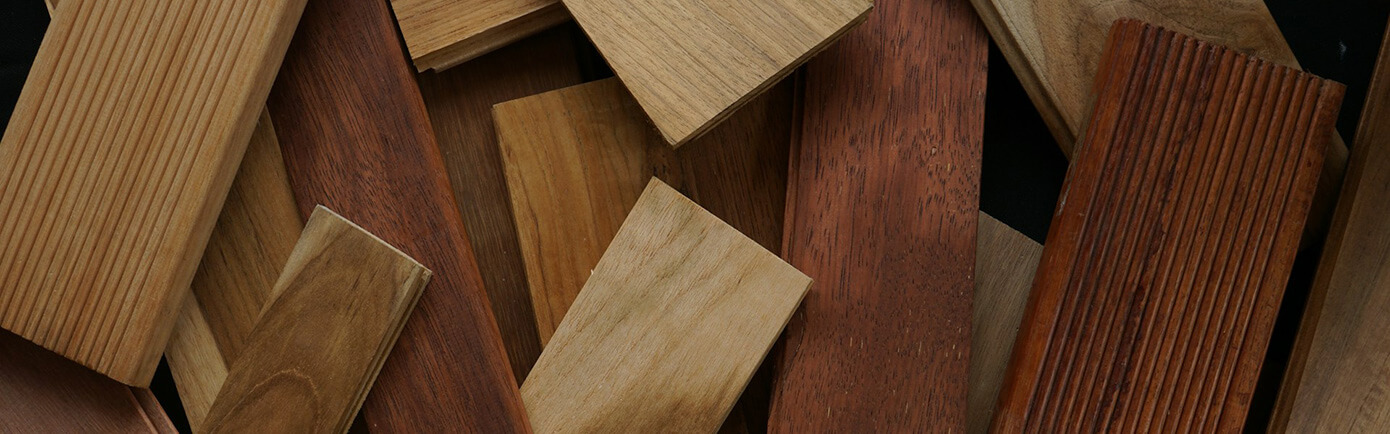
From ancient shelters to modern architectural marvels, wood has remained one of the most trusted and versatile building materials in human history. Long before steel and concrete dominated skylines, civilizations across the world relied on wood to build homes, tools, bridges, and places of worship. Even today, despite technological advancements, wood continues to play a vital role in construction—valued for its strength, sustainability, and natural beauty.
A Glimpse into History
The use of wood in construction dates back thousands of years. Early humans used branches, logs, and timber to create simple shelters for protection against the elements. As civilizations evolved, so did woodworking techniques.
Ancient cultures such as the Egyptians, Greeks, and Chinese developed sophisticated methods of shaping and joining wood. Traditional timber structures in Asia and Europe still stand today, showcasing the durability and craftsmanship of early builders.
Wood was not just a material—it was a foundation of early architecture.
Why Wood Stood the Test of Time
Despite the emergence of modern materials, wood has never lost its relevance. There are several reasons for its enduring popularity:
1. Natural Strength and Durability
Wood offers an impressive strength-to-weight ratio. Certain hardwoods can withstand heavy loads, making them suitable for structural applications.
2. Workability and Versatility
Unlike many other materials, wood is easy to cut, shape, and join. This makes it ideal for everything from simple furniture to complex architectural designs.
3. Thermal Insulation
Wood is a natural insulator. It helps maintain indoor temperatures, keeping buildings cooler in summer and warmer in winter—an important advantage in diverse climates.
4. Aesthetic Appeal
Few materials can match the warmth and beauty of wood. Its natural grains, textures, and tones add character and elegance to any structure.
Wood in Modern Construction
Today, wood is not just used for traditional homes—it is also a key component in modern architecture.
Engineered Wood Products
Innovations such as plywood, laminated veneer lumber (LVL), and cross-laminated timber (CLT) have expanded the possibilities of wood construction. These materials are stronger, more stable, and suitable for large-scale projects.
Sustainable Building Practices
With growing awareness of environmental issues, wood is gaining attention as an eco-friendly building material. When sourced responsibly, it is renewable and has a lower carbon footprint compared to steel or concrete.
Urban Architecture
Modern architects are increasingly incorporating wood into urban designs, including multi-story buildings. Engineered timber is now being used in structures that were once thought possible only with steel.
Environmental Benefits of Wood
One of wood’s greatest advantages is its sustainability.
- Trees absorb carbon dioxide, helping reduce greenhouse gases
- Wood products store carbon throughout their lifespan
- It requires less energy to produce compared to other materials
When forests are managed responsibly, wood becomes a renewable resource that supports both the environment and the economy.
Challenges and Considerations
While wood has many advantages, it also comes with certain challenges:
- Susceptibility to pests like termites
- Risk of fire if not treated properly
- Moisture can cause decay or warping
However, modern treatments and construction techniques have significantly reduced these risks, making wood safer and more durable than ever before.
The Future of Wood Construction
The future of construction is increasingly leaning toward sustainability—and wood is at the center of this shift. With advancements in technology and growing environmental awareness, timber is being reimagined as a material for the future.
From eco-friendly homes to innovative skyscrapers, wood is proving that it is not just a material of the past, but a cornerstone of modern and future construction.
Conclusion
Wood has been used in construction since time immemorial, and its legacy continues to grow stronger. Its unique combination of strength, beauty, versatility, and sustainability ensures that it remains a preferred choice for builders and architects worldwide.
As we move toward a greener and more sustainable future, wood stands tall—bridging the gap between tradition and innovation, and reminding us that sometimes, the oldest materials are still the best.
