
All posts by project

9 Natural Supplements Every Creative Professional Should Consider

Creator Wellness: 9 Natural Supplements Every Creative Professional Should Consider

Creativity isn’t just about talent—it’s about maintaining the mental and physical energy to create consistently.

Whether you’re a digital artist, filmmaker, photographer, writer, musician, gamer, web developer, graphic designer, or social media creator, your work demands long hours of concentration, problem-solving, and imagination. While the creative process is rewarding, it can also take a toll on your body and mind.

Many creators spend eight to twelve hours each day in front of screens, juggling deadlines, managing clients, and constantly switching between tasks. Over time, this lifestyle may contribute to mental fatigue, poor posture, disrupted sleep, eye strain, stress, and reduced productivity.

The good news is that small lifestyle improvements—combined with the right nutritional support—can help you perform at your best. A balanced diet, regular movement, quality sleep, hydration, and carefully selected herbal supplements can work together to support your overall wellness.

Here are eight herbal supplements from Creator Wellness that may complement a healthy creative lifestyle.

1. Bacopa (Brahmi): Sharpen Your Mind for Better Creativity

Bacopa (Brahmi)

Creative work often requires sustained concentration, memory, and the ability to process information efficiently. Whether you’re editing a feature-length film, designing a website, coding software, or writing your next article, cognitive performance matters.

Bacopa Monnieri, commonly known as Brahmi, has been used in Ayurvedic medicine for centuries to support memory and learning. Today, it remains one of the most popular herbs for individuals seeking natural cognitive support.

Potential Benefits

  • Supports memory and learning
  • Helps maintain mental clarity
  • Encourages healthy cognitive function
  • Supports focus during demanding projects

For creators who regularly manage complex workflows or spend long hours brainstorming, Bacopa can be a valuable addition to a wellness routine.

Explore Creator Wellness Bacopa

2. Gymnema Sylvestre: Break Free from Sugar Cravings

Gymnema Sylvestre

Deadlines often lead to unhealthy eating habits. It’s common to reach for candy, cookies, energy drinks, or sugary coffee beverages during long work sessions.

Gymnema Sylvestre is a traditional herb used to support healthy blood sugar metabolism and may help reduce cravings for sweet foods when combined with a balanced diet.

Maintaining steady energy throughout the day can help creators avoid the highs and lows associated with excessive sugar consumption.

Why Creators Like It

  • Helps support balanced blood sugar
  • May reduce sweet cravings
  • Encourages healthier eating habits
  • Supports sustained energy

Explore Gymnema Sylvestre Sugar Destroyer

3. Organic Ashwagandha: Adapt to Everyday Stress

Organic Ashwagandha

Creative careers can be incredibly rewarding—but also stressful. Tight deadlines, client revisions, financial uncertainty, and creative blocks all place pressure on the mind and body.

Ashwagandha is one of the world’s best-known adaptogenic herbs. Adaptogens help the body respond to everyday stress while supporting balance and resilience.

Many creators include Ashwagandha as part of their evening or daily wellness routine to promote calmness and overall well-being.

Benefits

  • Helps manage everyday stress
  • Supports healthy cortisol levels
  • Encourages relaxation
  • Promotes emotional balance

Explore Organic Ashwagandha Extract

4. Mucuna Pruriens: Fuel Motivation Naturally

Mucuna Pruriens

Some days inspiration comes easily. Other days, simply starting a project feels difficult.

Mucuna Pruriens, also known as Velvet Bean, naturally contains L-DOPA, a compound involved in dopamine production. Dopamine plays an important role in motivation, movement, and mood.

When used responsibly as part of a healthy lifestyle, Mucuna may help support mental drive and overall neurological wellness.

Benefits

  • Supports healthy dopamine production
  • Encourages motivation
  • Supports nervous system health
  • Promotes positive mood

Explore Mucuna

5. Shatavari: Daily Wellness for Women Creators

Shatavari

Women often balance demanding creative careers with family responsibilities, travel, and personal commitments. Maintaining overall wellness is essential for long-term productivity.

Shatavari has traditionally been used in Ayurveda to support women’s health, vitality, and hormonal balance.

It can be a thoughtful addition to a daily wellness routine for women looking to support their overall well-being.

Benefits

  • Supports women’s wellness
  • Promotes hormonal balance
  • Encourages vitality
  • Supports overall health

Explore Shatavari

6. Cardio Aid: Support Heart Health While You Create

Cardio Aid

Creative work often involves prolonged sitting, limited movement, and high mental demands. Over time, a sedentary lifestyle can affect cardiovascular health.

Cardio Aid is designed to complement a heart-conscious lifestyle alongside regular exercise, nutritious meals, and healthy habits.

Benefits

  • Supports cardiovascular wellness
  • Encourages healthy circulation
  • Complements an active lifestyle
  • Supports long-term health

Explore Cardio Aid

7. Turmeric: Support Joint Comfort and Recovery

Turmeric

Hours spent using a keyboard, mouse, drawing tablet, or camera can place strain on your wrists, shoulders, neck, and back.

Turmeric has long been valued for its naturally occurring curcuminoids, which support the body’s healthy inflammatory response.

Many creative professionals use turmeric as part of their wellness routine to support mobility and recovery.

Benefits

  • Supports joint comfort
  • Encourages healthy movement
  • Provides antioxidant support
  • Supports recovery after long workdays

Explore Turmeric

8. Gooseberry (Amla): Daily Immune and Antioxidant Support

Gooseberry (Amla)

Long hours, irregular meals, and lack of sleep can leave creators feeling run down.

Indian Gooseberry, also known as Amla, is naturally rich in antioxidants and vitamin C. It has been used traditionally to support immune function, healthy skin, and overall vitality.

Benefits

  • Supports immunity
  • Rich in antioxidants
  • Supports healthy skin
  • Promotes overall wellness

Explore Gooseberry (Amla)

9. Triphala: Support Digestive Wellness for a Healthier Creative Lifestyle

Triphala

When you’re immersed in a creative project, it’s easy to overlook regular meals, rely on takeout, or snack at your desk. Over time, these habits can affect digestive comfort and leave you feeling sluggish or distracted.

Triphala is one of Ayurveda’s most respected herbal formulations, combining three fruits—Amalaki (Amla), Bibhitaki, and Haritaki. Traditionally used for centuries, Triphala is valued for supporting digestive health, promoting regular bowel movements, and encouraging the body’s natural cleansing processes. Emerging research also suggests it may have antioxidant properties and support a healthy gut microbiome, although more studies are needed to confirm its full range of benefits.

For creators, maintaining digestive wellness can be an important part of staying comfortable and focused during long work sessions. A healthy digestive system also helps your body make better use of the nutrients from a balanced diet, supporting your overall wellness routine.

Why Creators May Appreciate Triphala

  • Supports healthy digestion and gut wellness
  • Encourages regular bowel movements
  • Provides natural antioxidant support
  • Complements the body’s natural cleansing processes
  • Supports overall vitality as part of a healthy lifestyle

Whether you’re working late on a design project, editing videos for hours, or managing multiple creative deadlines, maintaining digestive balance can help you feel lighter, more comfortable, and ready to focus on your next idea.

Explore Creator Wellness Triphala

Healthy Habits Every Creator Should Practice

Supplements work best when combined with healthy daily habits. To maintain your creativity and productivity, consider these simple practices:

  • Take a five-minute break every hour to reduce eye strain and mental fatigue.
  • Follow the 20-20-20 rule by looking at something 20 feet away for 20 seconds every 20 minutes.
  • Drink plenty of water throughout the day to stay hydrated.
  • Include protein, healthy fats, fruits, and vegetables in your meals.
  • Aim for 7–9 hours of quality sleep each night.
  • Stretch your neck, shoulders, wrists, and back regularly.
  • Incorporate regular exercise or a daily walk to improve circulation and reduce stress.
  • Practice mindfulness, meditation, or deep breathing to help manage daily pressures.

These habits, paired with thoughtful nutritional support, can help sustain your energy and creativity over the long term.

Final Thoughts

Success in the creative world isn’t only about producing exceptional work—it’s about taking care of the person behind the work. By investing in your health today, you create the foundation for consistent performance, sharper thinking, and lasting creativity.

Whether you’re looking to improve focus with Bacopa, manage stress with Organic Ashwagandha, support motivation with Mucuna, maintain balanced energy with Gymnema Sylvestre, promote women’s wellness with Shatavari, care for your heart with Cardio Aid, support joint comfort with Turmeric, or strengthen your immune system with Gooseberry (Amla), Creator Wellness offers natural solutions designed to complement your creative lifestyle.

Remember, supplements are most effective when used alongside a balanced diet, regular physical activity, adequate sleep, and healthy daily routines. Before beginning any new supplement, consult a qualified healthcare professional, particularly if you are pregnant, nursing, taking medications, or have an existing medical condition.

Your greatest creative asset is you. Nurture your health, and your creativity will have the opportunity to flourish.
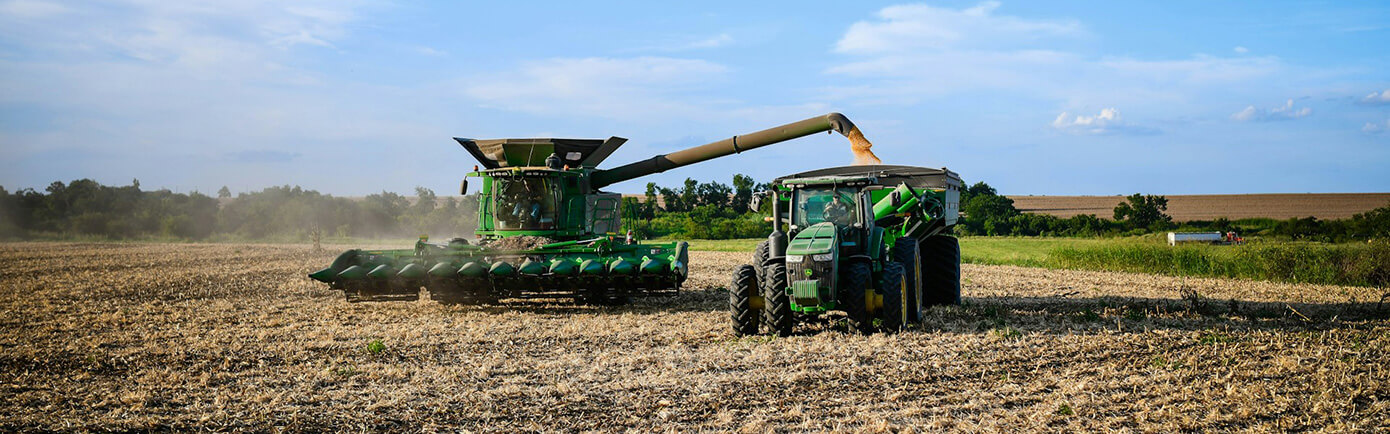

 

DeHaat: The Tech-Powered Revolution Empowering India’s Small Farmers

DeHaat: The Tech-Powered Revolution Empowering India’s Small Farmers

India’s agricultural sector has long been the backbone of its economy, employing millions of small and marginal farmers across the country. Despite their crucial role, these farmers have historically faced numerous challenges—limited access to quality inputs, unreliable advisory services, fragmented supply chains, and lack of fair market prices. In recent years, however, a new wave of agritech innovation has begun to change this landscape. At the forefront of this transformation is DeHaat, a tech-powered platform that is redefining how farmers access resources, information, and markets.

Founded in 2012 by a group of young entrepreneurs, DeHaat was built on a simple yet powerful idea: to create a comprehensive digital ecosystem that supports farmers at every stage of the agricultural cycle. The name “DeHaat,” meaning “rural,” reflects its mission to serve India’s vast rural population by bridging the gap between traditional farming practices and modern technology.

One of the key strengths of DeHaat lies in its full-stack service model. Unlike traditional agricultural systems where farmers must rely on multiple intermediaries, DeHaat offers an integrated platform that provides end-to-end solutions. From procuring high-quality seeds, fertilizers, and pesticides to receiving expert advisory and selling produce at competitive prices, farmers can access everything through a single channel.

Access to quality agricultural inputs is a major challenge in rural India. Many farmers unknowingly purchase counterfeit or substandard products, which negatively impact crop yields. DeHaat addresses this issue by connecting farmers directly with trusted suppliers, ensuring authenticity and affordability. This not only improves productivity but also builds trust within the farming community.

Equally important is the platform’s advisory service, which leverages technology to deliver personalized recommendations. Using data analytics, weather forecasts, and crop-specific insights, DeHaat provides farmers with timely guidance on planting, irrigation, pest control, and harvesting. These data-driven decisions help reduce risks and optimize yields, especially in the face of unpredictable climate conditions.

Another transformative aspect of DeHaat is its focus on market linkages. Traditionally, farmers have been dependent on local traders or middlemen to sell their produce, often at unfavorable prices. DeHaat eliminates this inefficiency by connecting farmers directly with institutional buyers, retailers, and processors. This ensures better price realization, faster transactions, and greater transparency in the supply chain.

Technology plays a central role in DeHaat’s operations, but what truly sets it apart is its hybrid model that combines digital tools with a strong physical presence. The company operates through a network of local micro-entrepreneurs who act as service providers in villages. These individuals serve as the last-mile connection between the platform and farmers, helping bridge the gap created by limited digital literacy. This approach not only ensures accessibility but also generates employment opportunities within rural communities.

The impact of DeHaat on small farmers has been significant. By reducing input costs, improving access to reliable information, and enabling better market opportunities, the platform has contributed to increased incomes and enhanced livelihoods. Farmers are now better equipped to make informed decisions, adopt modern practices, and achieve greater financial stability.

However, the journey is not without challenges. Rural infrastructure, including internet connectivity and logistics, continues to pose hurdles. Additionally, many farmers are still adapting to digital platforms, requiring ongoing education and support. Climate change also adds another layer of complexity, making it essential for platforms like DeHaat to continuously innovate and provide adaptive solutions.

Looking ahead, the future of DeHaat appears promising. As India continues to embrace digital transformation, agritech platforms are expected to play an increasingly vital role in modernizing agriculture. With its scalable model, strong farmer network, and commitment to innovation, DeHaat is well-positioned to expand its reach and deepen its impact.

In conclusion, DeHaat represents a powerful example of how technology can be harnessed to solve real-world problems. By empowering small farmers with access to resources, knowledge, and markets, it is helping to create a more efficient, transparent, and sustainable agricultural ecosystem. In doing so, DeHaat is not just transforming farming—it is reshaping the future of rural India.

Wood Has Been Used in Construction Since Time Immemorial

Wood Has Been Used in Construction Since Time Immemorial: A Timeless Building Material

From ancient shelters to modern architectural marvels, wood has remained one of the most trusted and versatile building materials in human history. Long before steel and concrete dominated skylines, civilizations across the world relied on wood to build homes, tools, bridges, and places of worship. Even today, despite technological advancements, wood continues to play a vital role in construction—valued for its strength, sustainability, and natural beauty.

A Glimpse into History

The use of wood in construction dates back thousands of years. Early humans used branches, logs, and timber to create simple shelters for protection against the elements. As civilizations evolved, so did woodworking techniques.

Ancient cultures such as the Egyptians, Greeks, and Chinese developed sophisticated methods of shaping and joining wood. Traditional timber structures in Asia and Europe still stand today, showcasing the durability and craftsmanship of early builders.

Wood was not just a material—it was a foundation of early architecture.

Why Wood Stood the Test of Time

Despite the emergence of modern materials, wood has never lost its relevance. There are several reasons for its enduring popularity:

1. Natural Strength and Durability

Wood offers an impressive strength-to-weight ratio. Certain hardwoods can withstand heavy loads, making them suitable for structural applications.

2. Workability and Versatility

Unlike many other materials, wood is easy to cut, shape, and join. This makes it ideal for everything from simple furniture to complex architectural designs.

3. Thermal Insulation

Wood is a natural insulator. It helps maintain indoor temperatures, keeping buildings cooler in summer and warmer in winter—an important advantage in diverse climates.

4. Aesthetic Appeal

Few materials can match the warmth and beauty of wood. Its natural grains, textures, and tones add character and elegance to any structure.

Wood in Modern Construction

Today, wood is not just used for traditional homes—it is also a key component in modern architecture.

Engineered Wood Products

Innovations such as plywood, laminated veneer lumber (LVL), and cross-laminated timber (CLT) have expanded the possibilities of wood construction. These materials are stronger, more stable, and suitable for large-scale projects.

Sustainable Building Practices

With growing awareness of environmental issues, wood is gaining attention as an eco-friendly building material. When sourced responsibly, it is renewable and has a lower carbon footprint compared to steel or concrete.

Urban Architecture

Modern architects are increasingly incorporating wood into urban designs, including multi-story buildings. Engineered timber is now being used in structures that were once thought possible only with steel.

Environmental Benefits of Wood

One of wood’s greatest advantages is its sustainability.

  • Trees absorb carbon dioxide, helping reduce greenhouse gases
  • Wood products store carbon throughout their lifespan
  • It requires less energy to produce compared to other materials

When forests are managed responsibly, wood becomes a renewable resource that supports both the environment and the economy.

Challenges and Considerations

While wood has many advantages, it also comes with certain challenges:

  • Susceptibility to pests like termites
  • Risk of fire if not treated properly
  • Moisture can cause decay or warping

However, modern treatments and construction techniques have significantly reduced these risks, making wood safer and more durable than ever before.

The Future of Wood Construction

The future of construction is increasingly leaning toward sustainability—and wood is at the center of this shift. With advancements in technology and growing environmental awareness, timber is being reimagined as a material for the future.

From eco-friendly homes to innovative skyscrapers, wood is proving that it is not just a material of the past, but a cornerstone of modern and future construction.

Conclusion

Wood has been used in construction since time immemorial, and its legacy continues to grow stronger. Its unique combination of strength, beauty, versatility, and sustainability ensures that it remains a preferred choice for builders and architects worldwide.

As we move toward a greener and more sustainable future, wood stands tall—bridging the gap between tradition and innovation, and reminding us that sometimes, the oldest materials are still the best.

50 and Fabulous

50 and Fabulous: Your Guide to Health, Supplements, and Vitality

Turning 50 isn’t a slowdown—it’s a reset. It’s a stage where experience meets self-awareness, and with the right approach, it can be one of the most vibrant decades of your life. While your body may start to change, your ability to stay strong, energetic, and healthy is very much within your control.

This guide will walk you through practical ways to support your health, make smart supplement choices, and maintain vitality well into your 50s and beyond.

Embracing Change: What Happens After 50?

As you age, your body naturally undergoes shifts that can affect how you feel day to day. These may include:

  • Slower metabolism
  • Gradual muscle loss
  • Changes in hormone levels
  • Reduced bone density
  • Lower energy levels

While these changes are normal, they’re not something you have to passively accept. With a proactive approach, you can stay active, strong, and mentally sharp.

Nutrition First: The Foundation of Vitality

Before diving into supplements, it’s important to focus on your diet. Whole, nutrient-rich foods should always be your primary source of nourishment.

Key Nutrients to Prioritize:

  • Protein: Supports muscle maintenance and repair
  • Fiber: Aids digestion and heart health
  • Healthy fats: Supports brain and joint function
  • Antioxidants: Help combat aging at the cellular level

Focus on a balanced plate filled with vegetables, fruits, whole grains, lean proteins, and healthy fats.

Smart Supplementation: Filling the Gaps

Even with a healthy diet, your body may need extra support as you age. Supplements can help bridge nutritional gaps—but they should be used wisely, not blindly.

Common Supplements to Consider:

1. Calcium & Vitamin D
Essential for maintaining strong bones and preventing bone loss.

2. Vitamin B12
Absorption decreases with age, and it’s crucial for nerve function and energy production.

3. Omega-3 Fatty Acids
Supports heart health, brain function, and reduces inflammation.

4. Magnesium
Helps with muscle function, sleep quality, and stress management.

5. Probiotics
Supports gut health, which plays a major role in immunity and digestion.

Tip: Always consult a healthcare professional before starting any supplement routine to ensure it suits your individual needs.

Staying Active: Movement Is Medicine

Physical activity becomes even more important after 50. It’s not about intense workouts—it’s about consistency and balance.

A Well-Rounded Fitness Routine Includes:

  • Strength training: Prevents muscle loss and supports bone health
  • Cardio exercises: Improves heart health and endurance
  • Flexibility and balance: Reduces risk of injury and improves mobility

Even simple activities like walking, yoga, or light resistance training can make a huge difference.

Prioritizing Mental and Emotional Well-being

Health isn’t just physical—it’s mental and emotional too.

After 50, many people experience life transitions that can impact mood and stress levels. Staying mentally engaged and emotionally balanced is key to overall vitality.

Ways to Support Mental Health:

  • Practice mindfulness or meditation
  • Stay socially connected
  • Engage in hobbies or learning new skills
  • Ensure adequate sleep

Sleep: Your Secret Weapon for Longevity

Quality sleep is often overlooked but plays a vital role in recovery, memory, and overall health.

Improve Your Sleep by:

  • Maintaining a consistent sleep schedule
  • Limiting screen time before bed
  • Creating a calm, dark sleep environment

Aim for 7–8 hours of restful sleep each night.

Preventive Health: Stay Ahead of the Curve

Regular health check-ups become increasingly important after 50.

Keep track of:

  • Blood pressure
  • Blood sugar levels
  • Cholesterol
  • Bone density
  • Vision and hearing

Early detection can prevent many serious conditions and keep you on track for a healthy future.

Hydration and Lifestyle Habits

Simple habits can have a powerful impact:

  • Drink plenty of water throughout the day
  • Limit processed foods and sugar
  • Avoid smoking and excessive alcohol
  • Spend time outdoors for natural sunlight and fresh air

Redefining “Fabulous” at 50

Being fabulous at 50 isn’t about looking younger—it’s about feeling stronger, living smarter, and embracing your best self. It’s a time to focus on what truly matters: your health, happiness, and quality of life.

Conclusion

Your 50s can be a decade of strength, clarity, and renewed energy. By focusing on proper nutrition, thoughtful supplementation, regular movement, and mental well-being, you can build a lifestyle that supports long-term vitality.

Remember, it’s never too late to take charge of your health. Start small, stay consistent, and enjoy the journey of becoming your most vibrant self—at 50 and beyond.

Preparing Your Garden Soil for Summer

Preparing Your Garden Soil for Summer: A Comprehensive Guide

Preparing your garden soil for summer is one of the most important steps you can take to ensure a healthy, productive garden. As temperatures rise, plants rely heavily on well-prepared soil for nutrients, water retention, and root development. A little effort before the season begins can make a big difference in how your garden performs.

Why Soil Preparation Matters

Soil is more than just dirt—it’s a living ecosystem. Proper preparation:

  • Improves nutrient availability
  • Enhances water retention and drainage
  • Encourages strong root growth
  • Reduces pests and diseases

Skipping this step often leads to weak plants and poor yields, especially during the stress of summer heat.

Step 1: Clear the Garden Area

Start by removing:

  • Weeds (including roots)
  • Old plant debris
  • Stones or trash

Weeds compete for nutrients and water, so removing them early prevents future problems. If your garden had diseased plants previously, dispose of them away from the garden to avoid contamination.

Step 2: Loosen and Turn the Soil

Use a shovel, fork, or tiller to loosen the soil to a depth of about 8–12 inches.

Benefits:

  • Improves aeration
  • Allows roots to penetrate easily
  • Helps beneficial organisms thrive

Avoid working the soil when it’s too wet—it can become compacted and hard.

Step 3: Test Your Soil

Understanding your soil is key. A basic soil test helps determine:

  • pH level
  • Nutrient deficiencies (nitrogen, phosphorus, potassium)

Most plants prefer slightly acidic to neutral soil (pH 6–7). Based on results:

  • Add lime to raise pH
  • Add sulfur to lower pH

Step 4: Add Organic Matter

This is the most crucial step.

Mix in:

  • Compost
  • Well-rotted manure
  • Leaf mold
  • Coconut coir

Organic matter:

  • Improves soil structure
  • Increases water retention
  • Feeds beneficial microbes

Aim for about 2–3 inches of compost mixed into the topsoil.

Step 5: Improve Drainage and Moisture Retention

Summer heat can dry soil quickly. Depending on your soil type:

  • Clay soil: Add sand and compost to improve drainage
  • Sandy soil: Add compost or organic matter to retain moisture

Balanced soil should hold moisture without becoming waterlogged.

Step 6: Mulch the Soil

After planting (or even before), apply a layer of mulch such as:

  • Straw
  • Dry leaves
  • Wood chips

Mulch helps:

  • Retain moisture
  • Regulate soil temperature
  • Suppress weeds

Step 7: Pre-Plant Fertilization

Before planting summer crops, enrich the soil with:

  • Organic fertilizers (vermicompost, bone meal, neem cake)
  • Balanced NPK fertilizers if needed

Avoid over-fertilizing, as it can harm plants and soil life.

Step 8: Watch for Soil Pests

Before planting, check for:

  • Grubs
  • Termites
  • Ant nests

You can treat soil naturally using neem-based products or by exposing soil to sunlight (solarization) for a few days.

Final Tips for Summer Success

  • Water the soil lightly before planting to activate microbes
  • Avoid compacting soil by stepping on beds
  • Use raised beds if drainage is poor
  • Rotate crops to maintain soil health

Conclusion

Preparing your garden soil for summer isn’t just a routine task—it’s an investment in your garden’s success. Healthy soil leads to stronger plants, better yields, and fewer problems throughout the season. With the right preparation, your garden will be ready to thrive even in the hottest months.

If you want, I can tailor this guide specifically for your region (like Gujarat’s climate) or suggest the best summer crops to grow.